Stone Masonry for Small Businesses: Key Considerations
Stone Masonry for Small Businesses: Key Considerations
Blog Article
Recognized for its historical significance, stone masonry is a craft that has endured throughout the ages. It consists of the precise cutting, shaping, and laying of stones to form various structures, walls, and decorative pieces. The talent and techniques required elevate stone masonry to one of the most respected construction practices in architecture. From iconic ancient landmarks to contemporary constructions, stone works bridge functionality and beauty, showcasing the distinctive features of the utilized stones at. Masonry Contractor for small business. If you are planning a construction project, understanding the fundamentals of stone masonry is imperative. Whether it involves residential construction, landscaping, or the restoration of historical buildings, selecting the appropriate stone mason or masonry contractor can greatly affect your results. Enlisting skilled professionals ensures that workmanship meets high standards and follows best practices in stone construction. Stone masonry is classified into various techniques, including dry-stone techniques where stones are stacked without mortar and mortar-stone techniques where mortar binds the stones. Each method provides different aesthetic and structural benefits. Stones like granite, limestone, and sandstone are commonly used, each offering unique textures and colors that contribute to the final look of the project. The principal components of masonry include stone selection, preparation, and the skills of the masonry contractor. A proficient stone mason understands the properties of different stones, ensuring the appropriate choice for each specific application. Whether it’s for constructing a load-bearing wall or an intricate stone facade, the knowledge possessed by the masonry contractor plays a vital role. Finding a qualified contractor can be challenging. As potential clients explore options, they may come across professionals specializing in services featuring a blend of artistry and engineering skills. Selecting an expert dramatically influences both the aesthetics and durability of stone works. The cost of stone masonry varies widely based on several factors including the type of stone, complexity of the design, and current market trends. Basic stone installation often costs less than intricate designs incorporating various materials like brick and pavers. Clients should also consider additional costs such as site preparation, labor, and maintenance when budgeting for stone works. It’s essential to gather multiple quotes from different masonry contractors and inquire about their past projects. This not only helps in understanding the market price for specific stone types and designs but also gives insight into the contractor’s experience and reliability. Knowing the comprehensive costs beforehand helps avoid surprises along the way. Selecting the right masonry contractor is fundamental to any successful stone masonry project. Engaging with seasoned professionals who come highly recommended can be beneficial. Recommendations can surface through local reviews, online forums, or from previous clients who have undertaken similar work. Additionally, considering a contractor's credentials, portfolio, and experience in stone masonry is crucial. It’s advisable to look for contractors who specialize in particular stone types or masonry techniques that align with your project goals. Ideally, they should have a solid reputation for quality craftsmanship and client satisfaction. Stone masonry extends to a variety of applications, popular choices include retaining walls, pathways, patios, and decorative features like fire pits or stone benches. Each of these projects requires a specific skill set and knowledge of the natural stone being used. Retaining walls, for example, need careful engineering to prevent collapse, while patios demand a keen aesthetic sense to charm the eye and blend with the surroundings. In landscaping, stone paver installation represents another significant aspect of stone works. Paver installation can create stunning outdoor spaces, from driveways to walkways, enhancing the property's value and appeal. Homeowners looking for the best brick paver installation services should consider options in their locality for a tailored undertaking. Color, texture, and type of stone can all affect the final look and functionality of these hardscapes. When searching for **paver installation services**, it's useful to compare portfolios and speak to previous clients about their experiences. Learn more about the techniques and benefits of stone masonry in the Stone masonry article on Wikipedia. Regular maintenance is key to prolonging the life of your stone masonry. Make sure to inspect your work routinely for cracks or wear.Steps to Plan Your Stone Masonry Project
Understanding Stone Masonry
The Costs Involved in Stone Masonry
Choosing the Right Masonry Contractor
Common Types of Stone Works
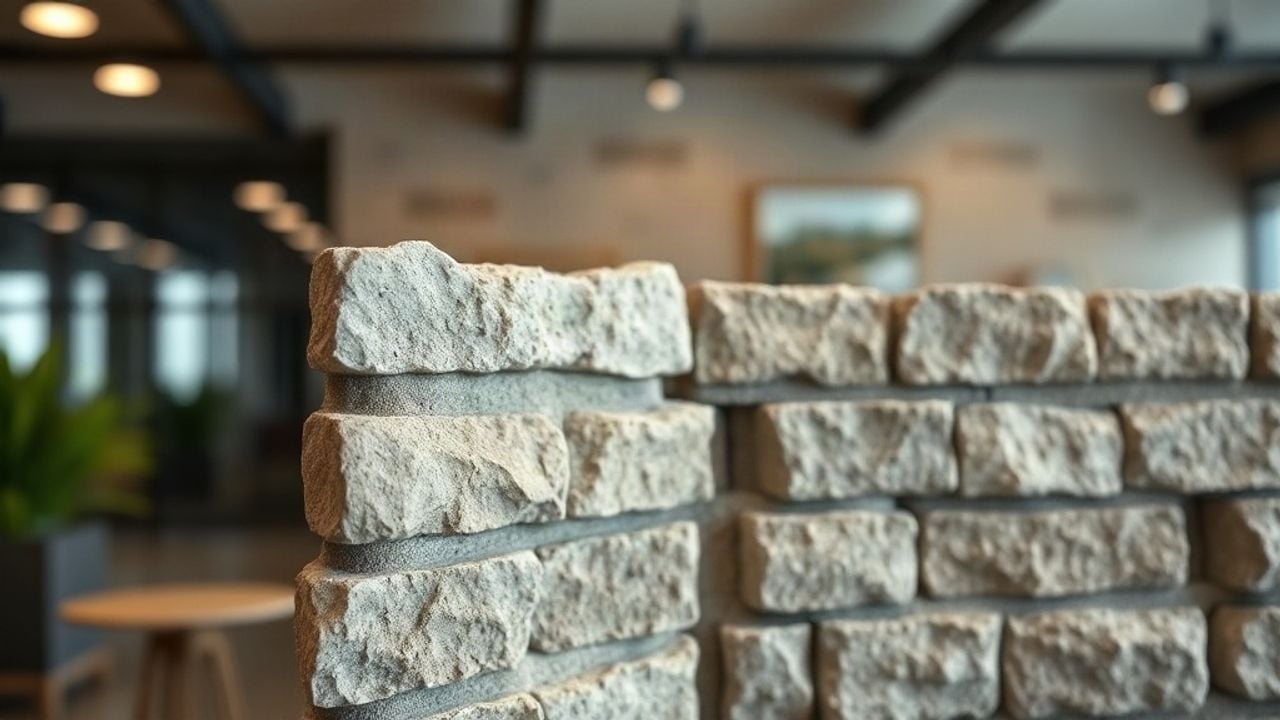 Masonry ContractorMasonry Contractor guide
Tips for Ensuring a Successful Stone Masonry Project
Stone Masonry
Frequently asked questions
What materials are commonly used in stone masonry?
Common materials include granite, limestone, slate, and sandstone, each providing unique aesthetics and structural properties.
How do I choose a masonry contractor?
Look for experienced professionals with positive reviews, a solid portfolio, and specified knowledge of the type of stone you wish to use.
What should I expect during a stone masonry project?
Expect thorough planning, regular communication about materials and progress, and a timeline from the contractor based on the complexity of the project.
Are there maintenance requirements for stone masonry?
Yes, regular inspections and maintenance such as sealing and cleaning will help to preserve the integrity and aesthetic quality of the masonry.
What are the cost factors for stone masonry?
Key factors include the type of stone, the complexity of the design, the size of the project, and labor costs.
Can stone masonry be used for landscaping?
Absolutely, stone masonry is ideal for creating patios, pathways, and decorative elements in landscaping.
When it comes to stone masonry, selecting the appropriate technique necessitates examining multiple factors, yet it ultimately delivers enduring aesthetics and practicality when done correctly. Grasping the traits of a proficient contractor alongside the components of a successful venture guarantees a fulfilling process.
Be it for increasing property value or designing exquisite outdoor areas, investing in high-quality stonework proves to be beneficial. With adequate expertise and a talented masonry contractor, stone masonry can achieve impressive outcomes that endure over the years.